
Get lifelong value from your filtration system
Every day, we deliver quality filtration solutions – made with care to your exact standards.
Biofouling - the undesirable accumulation of microorganisms such as bacteria, algae, and fungi on filter media - poses a persistent challenge for aqueous systems across a host of industries.
This phenomenon is primarily driven by the presence of organic matter and nutrients in water, which facilitate the rapid growth and colonisation of microbial communities on filter surfaces and within porous matrices.
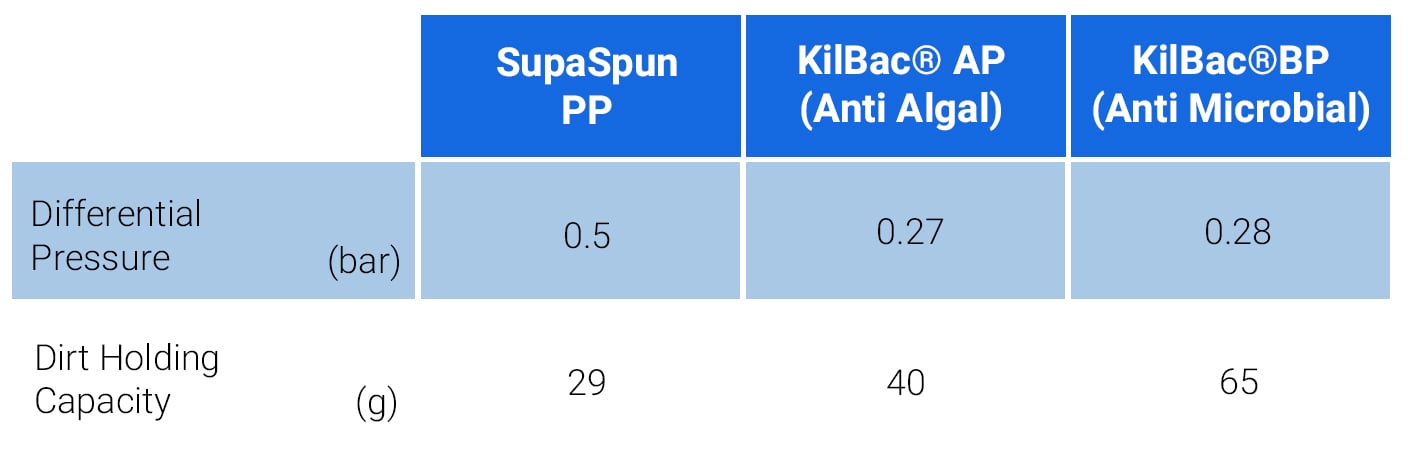
The consequences of biofouling are far-reaching: it leads to reduced product quality, contamination risks, and significant operational inefficiencies. Increased differential pressure across filters, more frequent filter replacements, and unplanned downtime all contribute to higher maintenance costs and lost revenue.
Notably, sectors such as water treatment, building services , oil & gas and power generation have reported that biofouling not only accelerates filter clogging but also forces costly disruptions and compromises product integrity. These widespread issues underscore the urgent need for innovative solutions capable of preventing microbial build-up and safeguarding both process reliability and product quality.

From HVAC loops in commercial buildings to ultrapure water in microelectronics, biofouling - the build-up of bacteria, algae, fungi, and other biological material - can quietly compromise system performance, increase maintenance costs, and shorten equipment life.
In countless industrial and commercial environments, water is essential, but it’s rarely clean for long. Wherever water is stored, recirculated, or left to stagnate, microbial contamination becomes a risk.
Here are just some of the water-based applications where biofouling can be a persistent and costly problem:
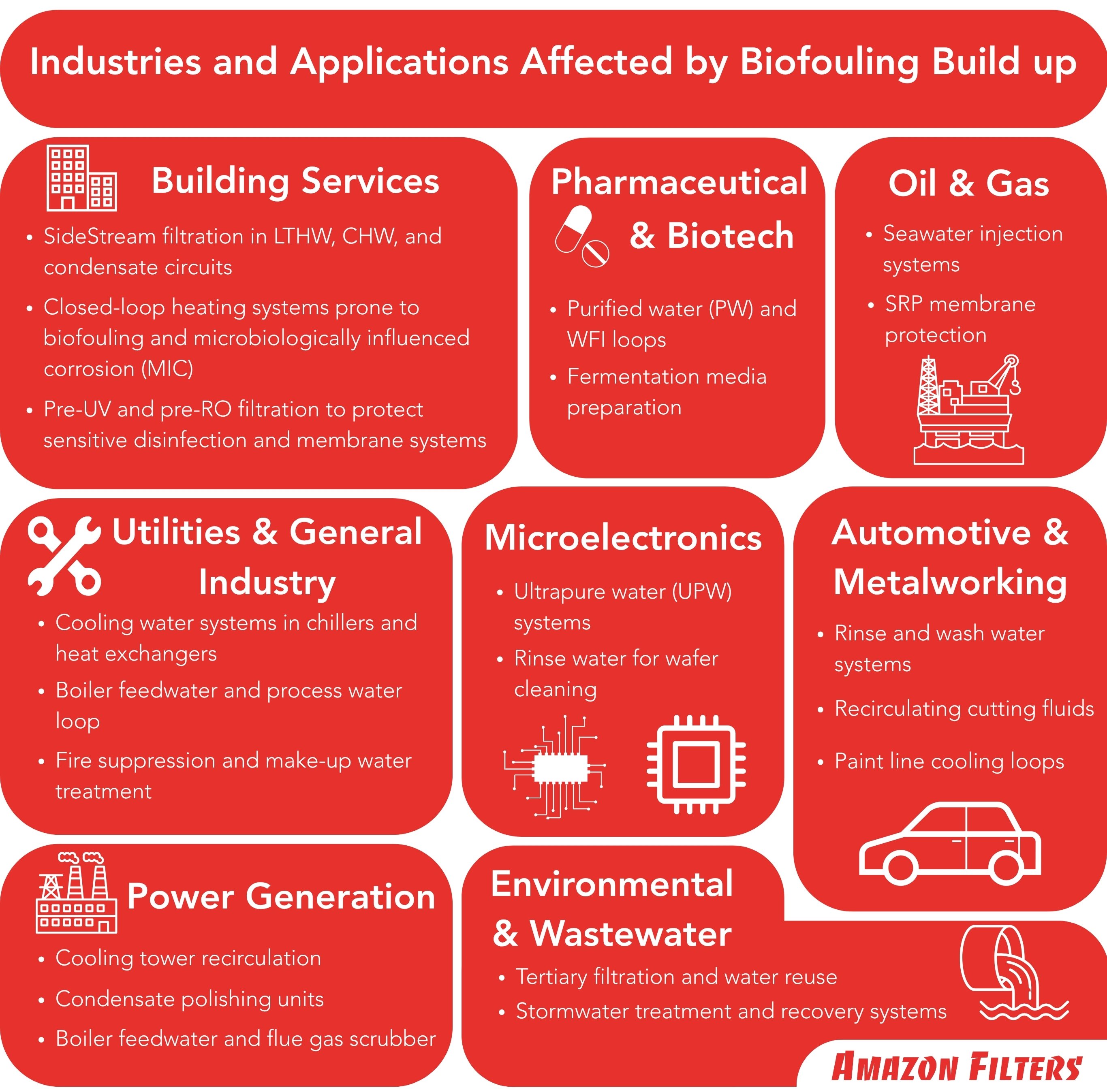
Depth filters are used extensively in these aqueous systems to remove particulate contamination that can compromise the efficiency of process equipment or blind membrane purifications systems. These depth filters, whilst removing particulate will also be removing the bacteria that has colonised on the particulate. Over time the bacteria will multiply within the structure of the filter media leading to accelerated blockage and biofilm build up on the filter itself.
This leads to multiple problems
In closed-loop systems, biofilms form when bacteria, debris, and corrosion products attach to pipe surfaces. These biofilms act as protective layers for microbes, allowing them to multiply and spread. Over time, this leads to reduced thermal efficiency, corrosion, and even health risks such as Legionella.
So the question is - how do we prevent the growth of microbial contamination on the filter? The answer - an antimicrobial filter media in the form of Amazon Filter' KilBac.
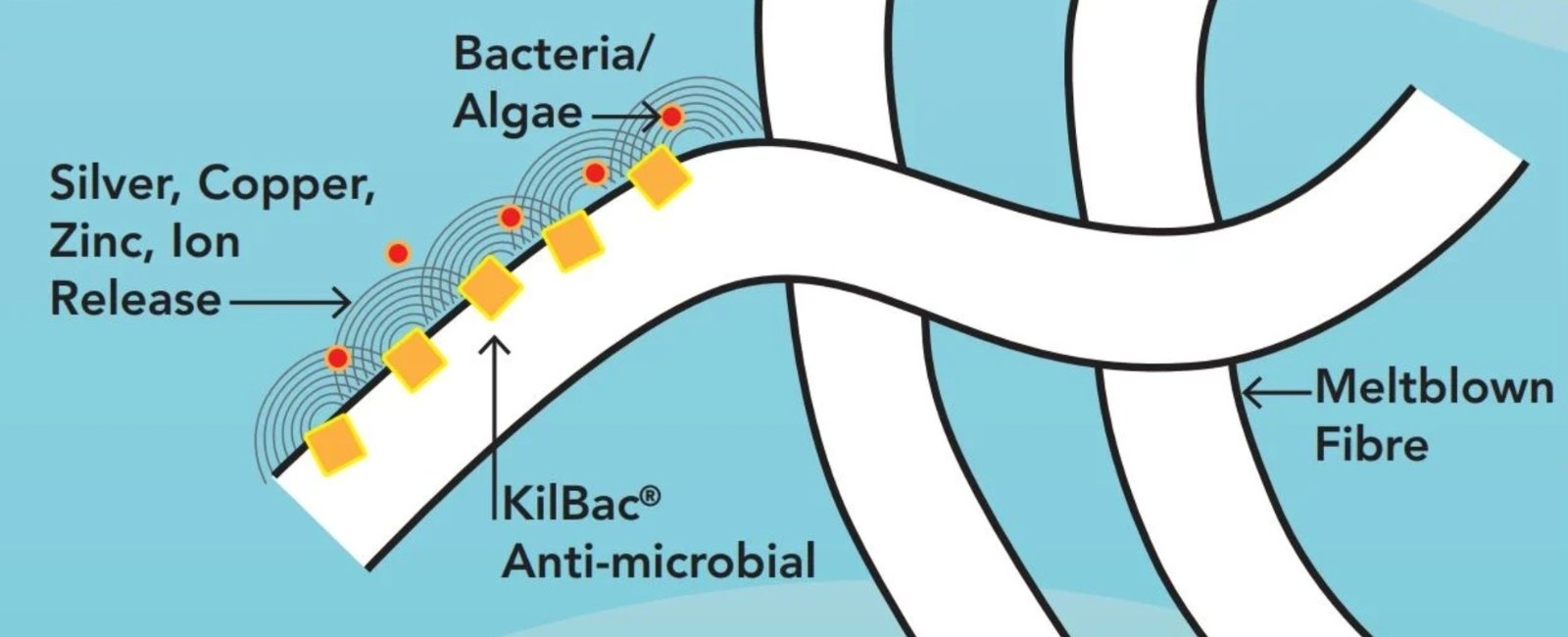
KilBac is Amazon Filters’ advanced antimicrobial filtration technology, engineered to actively prevent biofouling on the filter itself and within the system.
KilBac® filters are available in SupaSpun, SupaGard, and Contour formats. They incorporate meltblown fibres embedded with antimicrobial agents—silver (Ag), zinc (Zn), and copper (Cu) - carried by micron-sized zeolite particles.
Unlike nano-silver technologies, KilBac’s micron-sized carriers ensure that antimicrobial ions are exposed to the water stream. This allows for:
KilBac® isn’t just a lab innovation—it’s been tested and validated in real-world conditions.
Case Study: SupaGard KilBac in Marine Water Tanks
A leading marine technology company faced persistent bacterial contamination in their on-site water test tanks. Their existing system relied solely on 20 micron sand-bed filtration which required:
After adding KilBac SupaGard's (1 micron), they saw immediate benefits:
View the photo of before and after below, or read the full case study here.

Recirculating System Trials
In closed-loop tests using E. coli, SupaSpun KilBac filters showed:
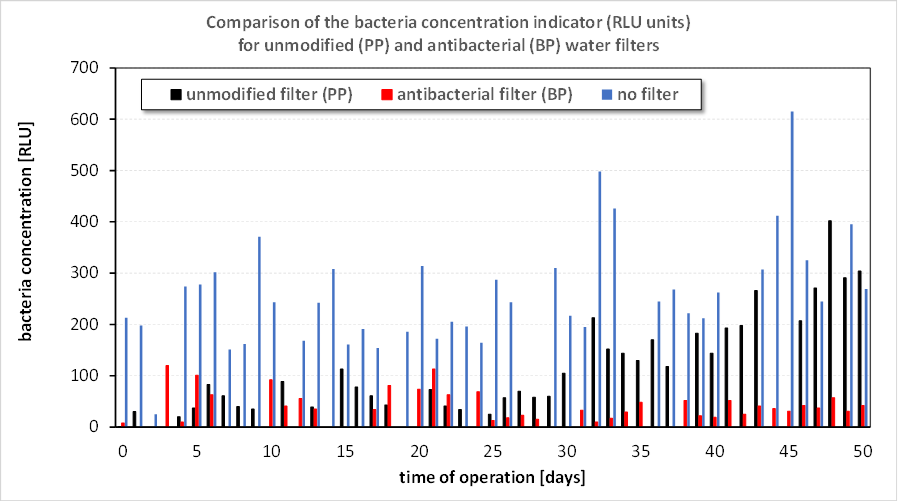
50-Day Recirculation Trial
KilBac vs Unmodified PP - Test simulating real-world conditions, showed:
This trial confirmed KilBac’s ability to suppress microbial growth even in challenging, uncontrolled environments.
Algae Control
KilBac filters using Ag/Cu combinations were tested against Chlorella sp. algae. Results showed:
Efficiency on Bacteria
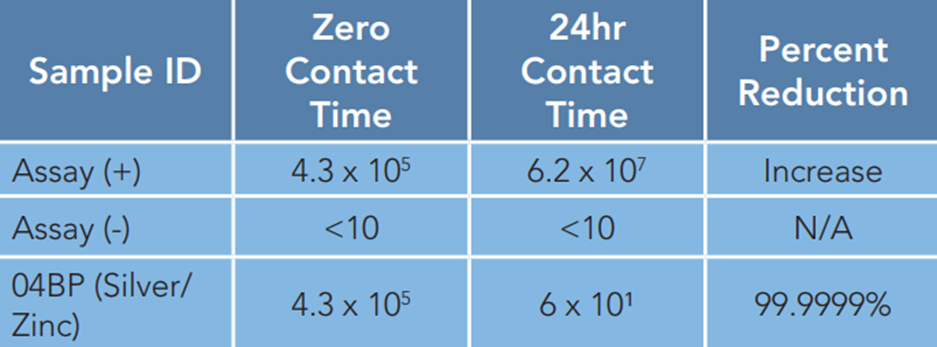
Standard ASTM testing has been conducted on the SupaSpun KilBac® to demonstrate the antimicrobial effects on:
Test data for P.aeruginosa tested to ASTM 2149 is provided in table below:
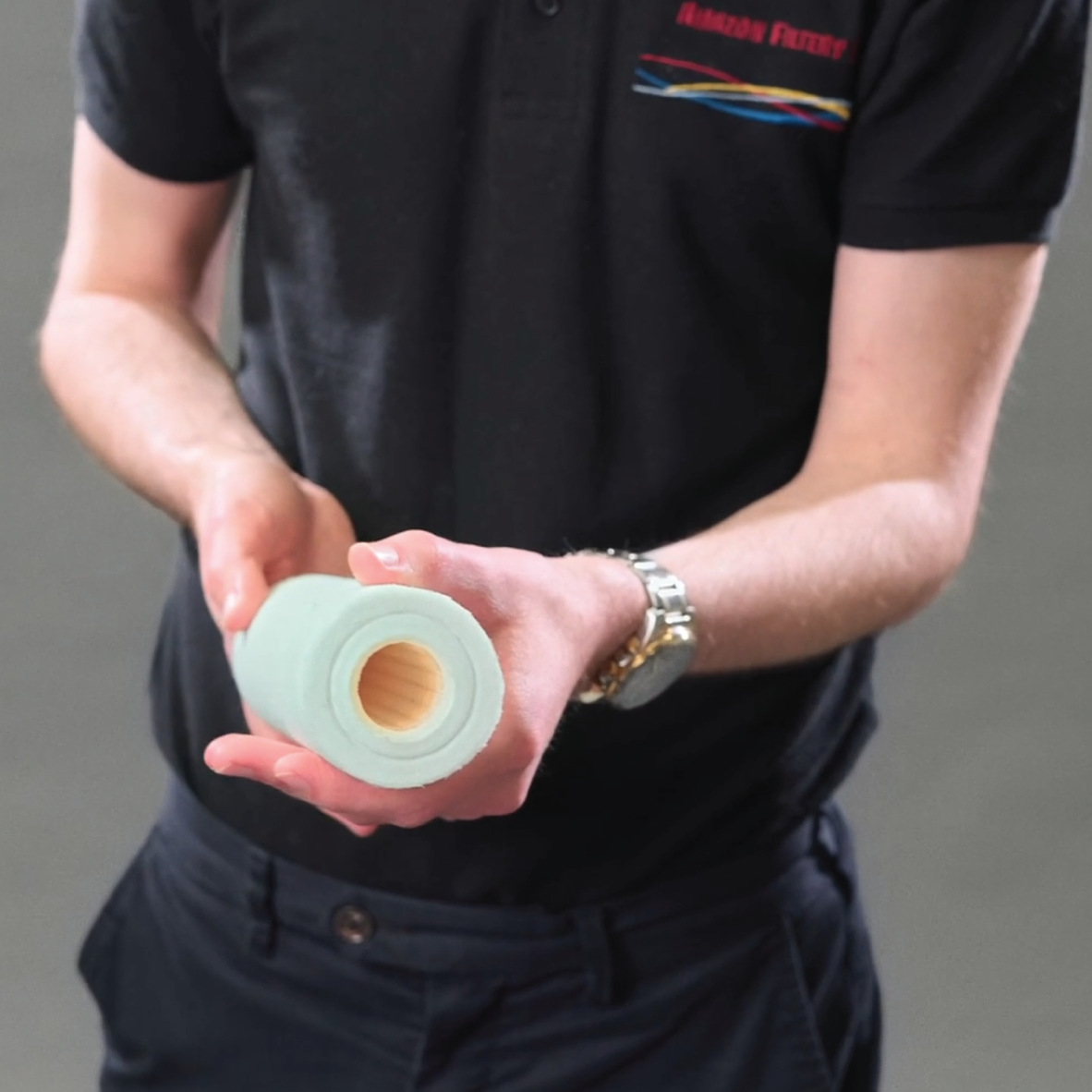
KilBac® is available across three core filter ranges to suit different system needs:
Each format is available in two antimicrobial grades:
Explore KilBac® filter formats tailored to your system. Request a sample to trial in your application. Speak to our technical team for guidance on integration. Contact us today to find out how KilBac® can improve your filtration strategy and reduce biofouling risk across your operations.
The antimicrobial function of KilBac is primarily designed to prevent biofouling on the filter fibres themselves. In single-pass systems, the concentration of silver ions released is too low to have any meaningful antimicrobial effect on the water downstream. However, in recirculating systems, depending on the volume of water, there may be a residual level of silver that helps suppress microbial growth. This effect has been observed in internal recirculation tests.
Filters should be replaced when the maximum differential pressure (dp) for the filtration system has been reached.
The longevity of the antimicrobial effect depends on the operating conditions. Elevated process temperatures and saltwater environments tend to shorten the active lifetime of the antimicrobial agents. In some applications, such as ice and drinking water dispensers in North America, the antimicrobial effect has been shown to last up to one year. However, the actual duration will vary depending on the specific application and system setup.
In theory, yes. The antimicrobial agents used in KilBac filters are effective against a broad range of microorganisms. However, efficacy should be confirmed for each specific application. A simple way to test this is by placing a section of KilBac filter media on an agar plate inoculated with the target bacteria to observe whether growth is inhibited.
Yes, KilBac filters are designed to be compatible with standard filter housings. This allows for easy integration into existing systems without the need for major equipment changes, making them a practical upgrade for facilities looking to improve biofouling control.